Having plied his trade in the finance industry for 20 years (during which time he worked for Accenture, Discovery, FNB and Wesbank), Alan Quinn has an intimate understanding of vehicle finance. In this instalment, he weighs up the pros and cons of getting a vehicle loan on either a fixed- or variable interest rate.
You may soon be making a finance application for a new car at your friendly local dealership. One question they will ask is whether you want a variable or fixed interest rate. What should you say?
The choice between a variable- and a fixed interest rate depends on whether you’re willing to allow market forces to affect your instalments or whether you want the certainty of preset monthly payments.
Vehicle Finance interest rates explained:
When you take any loan from the bank; as well as paying back the loan in monthly instalments, you also pay an additional amount in interest. Naturally, you want this interest rate to be as low as possible…
Your interest rate is basically determined by how much of a risk the bank considers you to be. Having a good credit record will lower your interest rate, while a lower credit record will raise your interest rate.
> Read more: What is a credit score and why it’s important for vehicle finance?
Variable vs Fixed interest rate: Which is in your best interest?

When you take out a vehicle finance loan with a “variable” interest rate, there’s another factor that will affect your interest rates: market forces. As the market interest rate (known as the “prime” interest rate) rises and falls, so does your interest rate.
What do you mean by “market forces” and how do they affect the interest rate?
1. The SARB (South African Reserve Bank) meets every few months and decides upon the “prime” lending rate for the country.
2. The banks, in turn, adjust their interest rates for their loans to their customers to align with the Reserve Bank.
If you take out a loan with a “fixed” interest rate, then the bank is making a promise that the interest rate you pay will stay exactly the same – no matter what happens in the market.
Good to know:
The current prime rate of 7% is at its lowest level in recent memory. This follows 4 interest rate cuts in quick succession by the SARB during 2020 in anticipation of the negative impact the Covid-19 pandemic would have on the economy.
This has caused an increasing number of customers to ask for “fixed” interest rates over the term of their finance agreement because they are trying to guarantee a lower interest rate – and, therefore, smaller repayments – for the duration of their finance agreements.
> Read more: Should you use a Personal Loan to buy a car?
Variable vs Fixed interest rates: Pros & Cons

Here’s a quick rundown of the pros and cons of each approach.
Variable interest rate
Pro: If the prime interest rate goes down in response to market forces (as it just did with the 2020 interest rate cuts by the SARB), the interest on your vehicle finance goes down with it, and you save money.
Con: On the other hand, if the prime interest rate goes up, so do your repayments. The fluctuating interest rates can make it difficult to budget accordingly.
Fixed interest rate
Pro: You keep paying the same vehicle finance repayment amount monthly, regardless of fluctuations in the market, for an initial agreed period. You will thus be able to factor your repayments into your budget with 100% accuracy.
Con: A fixed interest rate may be less of a risk for you, but it’s more of a risk for the bank, so they’re likely to charge you a higher rate out the gate.
Tip: Always get your Dealer to quote you on both variable and fixed rates so you can see how much extra you will pay for a fixed rate.
So ultimately, the best choice depends on your situation. The fixed interest rate is probably the right choice if your budget is tight and you can’t afford any fluctuation in your expenses.
Even though the fixed interest rate you are offered today is higher than the variable rate, if you want to be able to plan your budget without worrying about your car repayments going up, then the fixed rate is the best option for you.
Another factor to consider: Managing your Credit Score
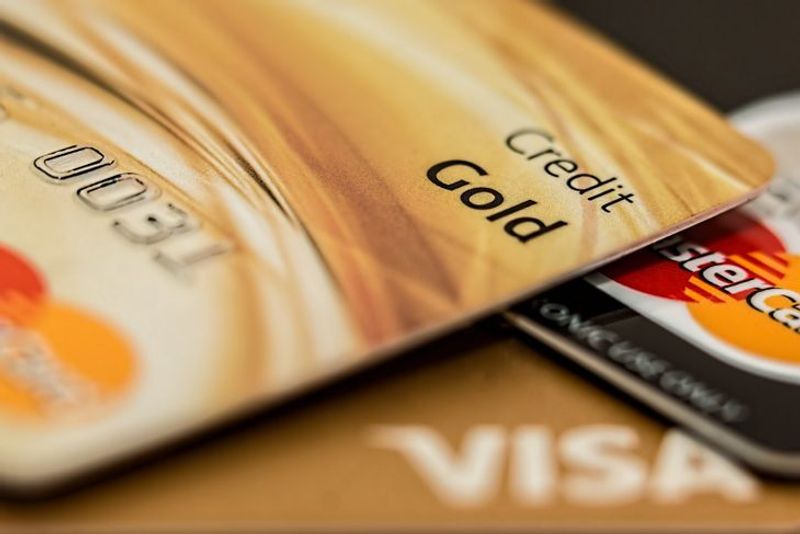
The difference between the interest rate offered by the banks for a good credit score vs a lower credit score for vehicle finance can be as much as 8%. The prime interest rate has only varied by 3% over the last decade. You have no control over the market forces that determine the prime rate, but you CAN control your credit score and save yourself a lot of money with lower interest rates over the long term.
> Read more: Why a bad credit score will cost you thousands of Rands every month
Cars.co.za

Providing you with the latest motoring news, new car releases and the simplest way to buy and sell cars.